What to Expect on an Informational Guided Hike: A Complete Guide
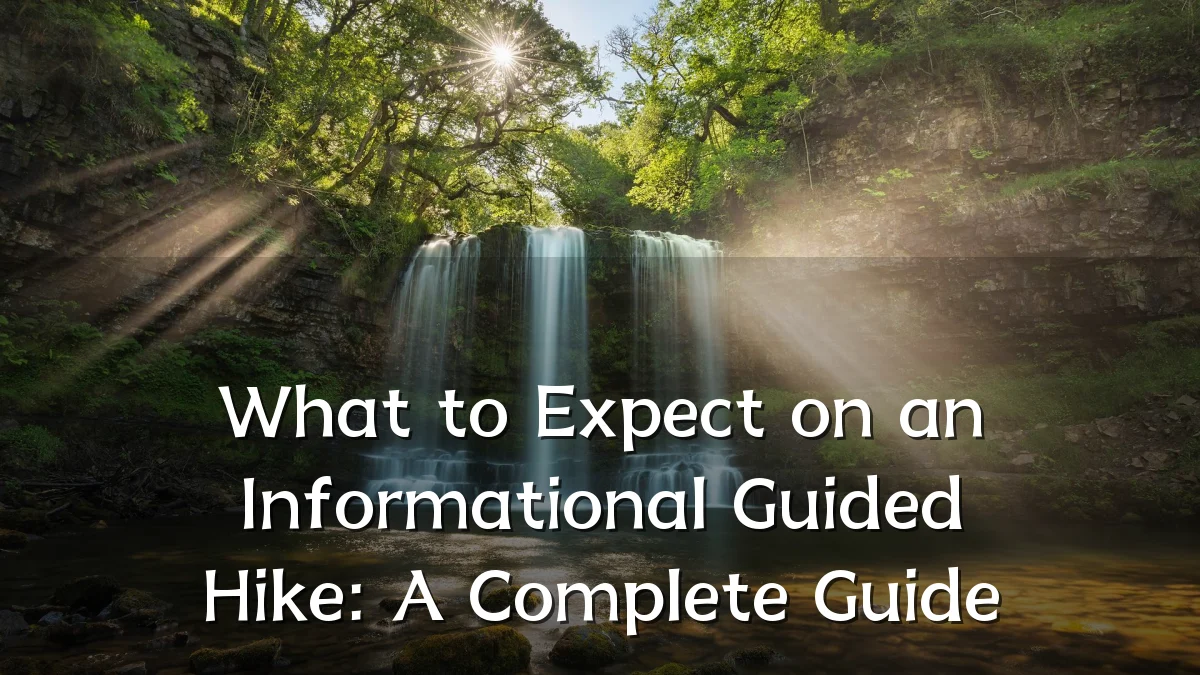
Recent Trends in Guided Outdoor Experiences
Structured outdoor activities have seen steady growth, with informational guided hikes standing out as a distinct category. Park agencies, conservation groups, and private outfitters now offer programs that prioritize ecological interpretation, historical context, or wildlife observation over simple summit attainment. These hikes aim to deepen participants' understanding of the natural environment through live, expert-led commentary.

- Rise in multi-day interpretive hikes offered by national and state parks.
- Growth of thematic hikes—geology, birding, ethnobotany—in response to visitor demand for specialized content.
- Adoption of supplemental digital tools (downloadable audio guides, trail apps) alongside in-person narration.
Background and Evolution of the Informational Hike
The concept of a guided nature walk dates back more than a century, but the modern informational guided hike is more structured. It typically includes a trained guide, a set route, and specific learning objectives. Unlike a self-guided trail map, these hikes offer real-time interpretation and the opportunity to ask questions. Many programs are free or low-cost, funded by park entry fees or nonprofit grants; others are commercial, ranging from half-day trips to multi-day itineraries.

“The value lies in the guide’s ability to connect landscape features to broader ecological or historical narratives,” notes a recreation program coordinator. “It turns a walk into a learning experience.”
Common User Concerns
Prospective participants often wonder about physical difficulty, group size, and required knowledge. Some worry that an informational hike might be too lecture-heavy or too taxing for their fitness level.
- Pace and duration: Most informational hikes are moderate, with frequent stops for interpretation. Average durations span two to five hours.
- Group size: Smaller groups (under 15 people) allow for interaction; larger groups may be split to minimize trail impact.
- Content depth: Guides typically tailor information to the audience, from beginner to advanced levels.
- Equipment needs: Participants are usually advised to bring water, snacks, sun protection, and sturdy footwear.
Likely Impact on Participants and the Sector
For individuals, an informational guided hike can deepen nature appreciation and encourage continued outdoor activity. For the industry, these programs promote sustainable tourism by educating visitors about fragile ecosystems. Trained guides also reduce the likelihood of off-trail wandering or accidents. However, concerns about over-commercialization and trail congestion persist.
- Increased visitor satisfaction and repeat visits to natural areas.
- Support for conservation through raised awareness and optional donations.
- Possible strain on trail capacity during peak seasons, prompting permit systems.
What to Watch Next
Look for further integration of technology, such as real-time identification apps used by guides, and the expansion of interpretive hikes into less accessible areas via virtual previews. Guide certification requirements may evolve as the field professionalizes. Partnerships between schools and parks are likely to increase, making informational hikes a standard part of outdoor education. User feedback will also shape more customized routes for specialized interests, such as night-sky hikes or junior ranger programs.
- Adoption of adaptive equipment for inclusive hikes.
- Greater emphasis on Leave No Trace principles woven into guided narratives.
- Pilot programs combining citizen science data collection during group hikes.